
Vitamins and Nutrients for Optimal Recovery
Understanding the science behind nutrient-driven recovery and how targeted supplementation supports your body's natural healing processes.
Key Features of Recovery Nutrition
Learn about the essential components that make nutrient-driven recovery effective and scientifically grounded.
Bioavailable Nutrients
We focus on nutrients in forms your body can efficiently absorb and utilise. Bioavailability ensures that each nutrient reaches your cells where it's needed most, supporting faster recovery and sustained energy levels during your healing journey.
Science-Backed Formulations
Every nutrient combination is developed using current research in sports nutrition, exercise physiology, and metabolic recovery. Our editorial team reviews clinical studies and expert consensus to ensure our guidance reflects the latest scientific understanding.
Personalised Recovery Approach
Recovery needs vary by activity type, intensity, and individual metabolism. We provide detailed guidance on adjusting your nutrient intake for endurance training, strength work, rehabilitation, or general wellness, helping you optimise your specific recovery context.
Inflammation and Cellular Support
Key vitamins and minerals help regulate your body's inflammatory response during recovery. Learn how antioxidants, omega-3 fatty acids, and trace elements work together to protect cells and accelerate the rebuilding process after physical stress.
Timing and Nutrient Synergy
When you consume nutrients matters as much as which ones you choose. Our guides explain nutrient timing windows, synergistic combinations that enhance absorption, and how to sequence your intake for maximum recovery benefit throughout the day.
Evidence-Based Monitoring
Learn how to track your recovery markers—energy levels, sleep quality, muscle soreness, and performance metrics. We explain which signs indicate effective nutrient support and when dietary adjustments may benefit your recovery timeline.
Your Recovery Nutrition Journey
A structured approach to understanding and implementing nutrient-driven recovery in your daily routine.
Assess Your Recovery Needs
Identify your activity level, recovery goals, and current dietary habits. Consider whether you're recovering from intense training, injury rehabilitation, or general wellness maintenance.
Learn Key Nutrients
Explore our detailed articles on protein timing, carbohydrate replenishment, vitamins C and E, magnesium, zinc, and omega-3 fatty acids. Understand their individual roles in muscle repair and immune function.
Build Your Strategy
Create a personalised nutrition plan using real food sources and strategic supplementation. Learn optimal timing, portion sizes, and how to adapt your approach based on your recovery response.
Monitor and Adjust
Track your energy, sleep quality, muscle recovery, and performance improvements. Use these markers to fine-tune your nutrient strategy for ongoing, sustainable progress.
The Science of Nutrient Recovery
Recovery is not passive rest—it's an active metabolic process that requires precise nutrient support. When your muscles experience stress from training or daily activity, they enter a recovery window where specific vitamins and minerals facilitate protein synthesis, energy restoration, and inflammation management.
The Nutrient Recovery Path focuses on three core mechanisms: delivering building blocks for tissue repair, replenishing energy stores depleted during activity, and supporting immune function to prevent overtraining syndrome. By understanding these processes, you can strategically use nutrition to accelerate recovery and maintain consistent performance.
Our editorial team reviews the latest research in exercise physiology and sports nutrition to bring you evidence-based insights. We explain not just which nutrients matter, but why they matter and how they work synergistically in your body.

Recovery Nutrition Essentials Comparison
Understanding the differences between key nutrient categories and their specific roles in recovery.
| Nutrient Category | Primary Recovery Role | Key Sources | Optimal Timing |
|---|---|---|---|
| Protein & Amino Acids | Muscle tissue repair and synthesis | Chicken, fish, eggs, Greek yoghurt, legumes | Within 30-60 minutes post-activity |
| Carbohydrates | Replenish glycogen stores, support energy | Oats, rice, sweet potatoes, quinoa, berries | Immediately after activity (with protein) |
| Vitamin C | Collagen synthesis, antioxidant support | Citrus fruits, kiwi, bell peppers, strawberries | Throughout the day with meals |
| Magnesium | Muscle relaxation, protein synthesis | Leafy greens, nuts, seeds, dark chocolate | Evening for sleep quality |
| Zinc | Immune function, wound healing | Oysters, beef, pumpkin seeds, cashews | With meals for optimal absorption |
| Omega-3 Fatty Acids | Inflammation regulation, joint health | Fatty fish, flaxseeds, chia seeds, walnuts | Daily with meals for steady levels |
Featured Recovery Topics
In-depth articles exploring different aspects of nutrient-driven recovery and athletic performance.

Post-Workout Nutrition Timing
Explore the optimal window for nutrient absorption after physical activity. Learn how the timing of protein and carbohydrate intake directly influences muscle protein synthesis and glycogen replenishment rates.
Learn More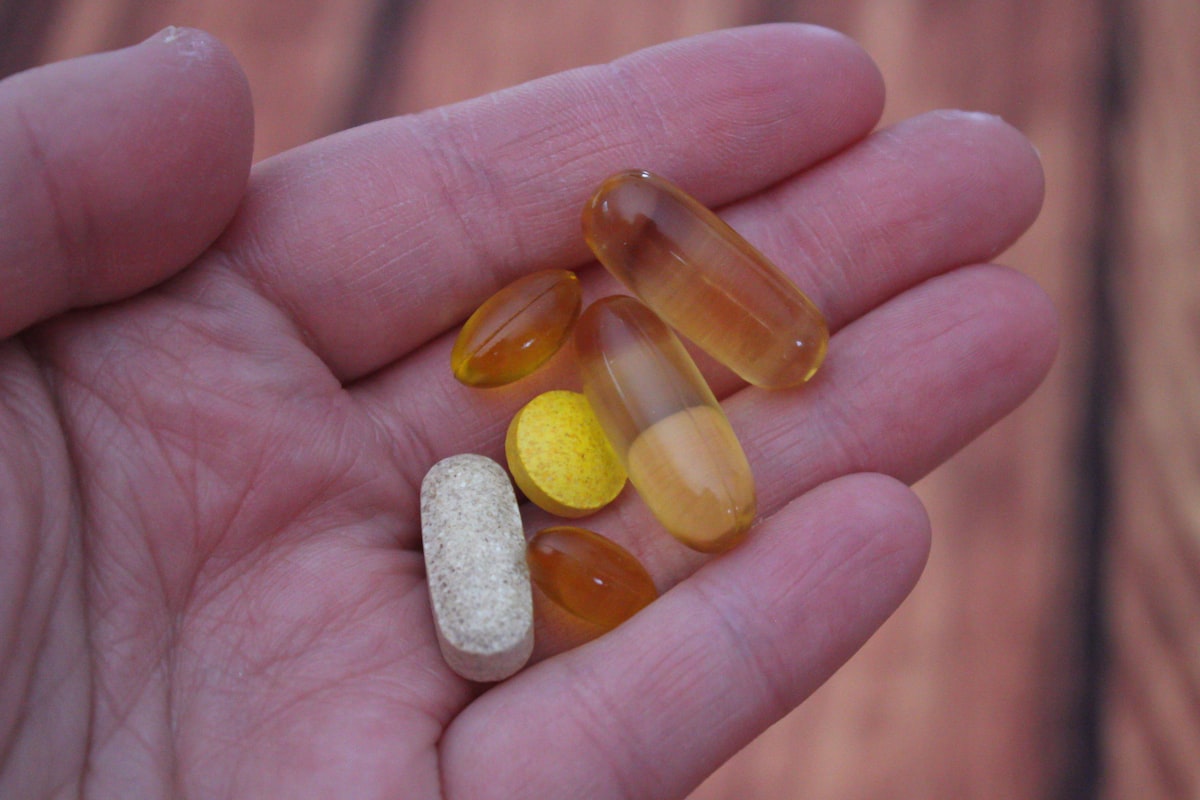
Anti-Inflammatory Nutrients
Understand how certain vitamins, minerals, and phytonutrients help regulate your body's inflammatory response during recovery. Discover food sources and strategies for managing training-induced inflammation effectively.
Learn More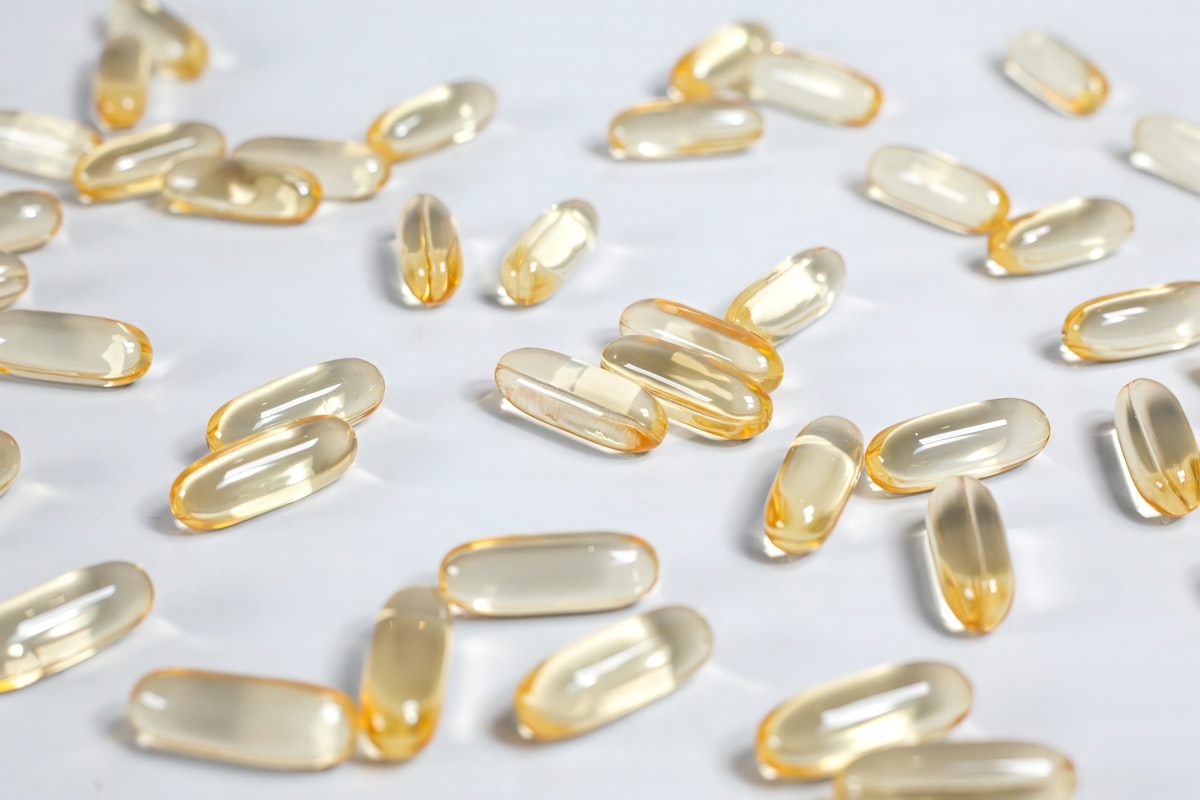
Sleep Quality and Recovery Nutrients
Learn how magnesium, melatonin precursors, and other nutrients support deep, restorative sleep. Understand the connection between sleep quality and the effectiveness of your recovery nutrition strategy.
Learn More
Protein Quality and Amino Acids
Explore the difference between complete and incomplete proteins, branched-chain amino acids, and essential amino acids. Learn which protein sources are most effective for muscle recovery across different training types.
Learn More
Micronutrients and Immune Support
Discover how zinc, vitamin D, vitamin C, and selenium support immune function during intensive training phases. Learn strategies to maintain immune resilience while pursuing ambitious recovery and performance goals.
Learn More
Hydration and Electrolyte Balance
Understand the critical role of sodium, potassium, and magnesium in rehydration and muscle function. Learn how to optimise fluid and electrolyte intake for effective recovery across different training conditions.
Learn MoreFrequently Asked Questions
Common questions about recovery nutrition and how to optimise your nutrient strategy.
The optimal recovery window depends on the type of activity and your goals. For high-intensity training, consuming carbohydrates and protein within 30 to 60 minutes maximises glycogen replenishment and muscle protein synthesis. However, research shows that spreading nutrient intake throughout the day is equally important as immediate post-workout consumption.
For moderate activity or daily wellness, consuming balanced meals within a few hours provides adequate nutrient support. The key is consistency over perfection—focusing on total daily nutrient intake rather than hitting an exact timing window.
What Our Users Say
James Martinez
Marathon Runner
"Nutrient Recovery Path transformed my training. My recovery time cut in half, and I finally understand what my body actually needs. Highly recommend!"
Sarah Kim
Strength Coach
"The personalized recommendations helped me optimize my protein intake perfectly. My strength gains are better than ever, and I feel amazing."
Robert Liu
Fitness Enthusiast
"Data-driven recovery is the future. This platform gives me actionable insights every single day. Best investment in my health yet."